
The History of Sisu is best understood on its own terms, away from the inspirational-poster noise. This page looks at the word from the ground up — what it actually names in Finnish daily life, what the research shows, and what it means in practice today. The goal is a clear, grounded answer you can actually use.
Early appearances in Finnish life
Folklore research traces one popular origin story to the 1912 Stockholm Olympics, when Finnish runner Hannes Kolehmainen outsprinted Jean Bouin in the 5,000 metres. By 1917 the word appears in Finnish literature, in Joel Lehtonen's novel Kerran kesällä.
The Winter War pushed it into English
In late 1939 an outnumbered Finland held off the Soviet invasion for months, and the word Finns used for their own fight leaked into English war reporting. Within weeks it had stopped needing a translation footnote.
Sisu at the national level
Finnish newspapers ran reader competitions asking people to define the word — nobody agreed then either. By 2004, a Nokia chairman was invoking sisu to describe a company's outlook, and the word had moved into boardroom talk.
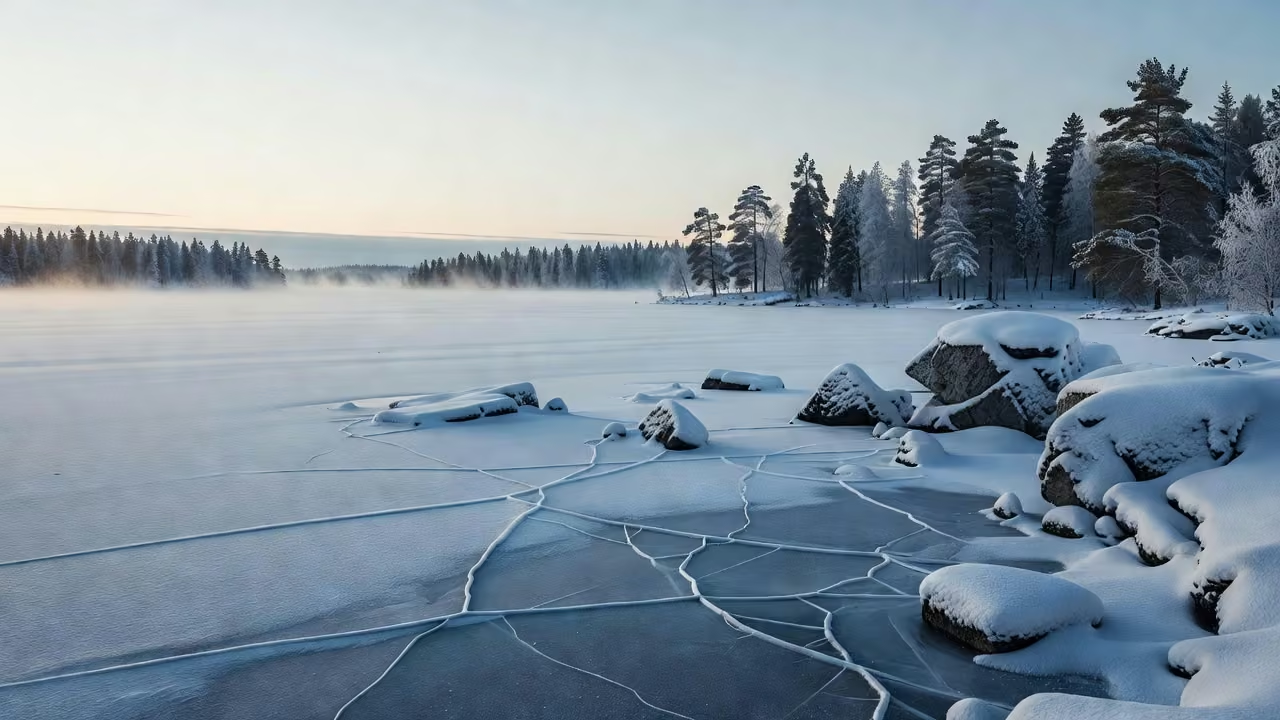
A vast frozen Finnish lake at dawn in muted cold light.
A Word Carried Through Tough Moments
Sisu did not become Finland's national word through marketing. It earned the role by naming something real that Finns kept reaching for in hard moments.
This is one of several guides on Finnish Sisu. Use the related pages in the sidebar to keep reading, and explore our partner site for more on the subject.
Keep Exploring Finnish Sisu
From meaning and history to psychology and practice, find more grounded guidance across the pages of this site.
Explore the Full Guide